
Describe the property
Send the location, symptoms, equipment and access details. State whether the work is a repair, replacement or planned project.
Need plumbing help in Caledonia? Tell us about the leak, blocked drain, fixture or water heater. A responding provider will confirm coverage and availability before booking.
Get A Free QuoteCompare tank replacement, venting changes, and tankless options using the existing heater’s capacity, fuel, vent route, and household needs.
View scopeDescribe affected fixtures and timing; cable clearing, hydro-jetting, and camera inspection address different conditions and can inform next steps.
View scopeIdentify visible galvanized or poly-B pipe and document leaks. Compare PEX or copper routing, access, testing, and applicable approvals.
View scopePlan fixture replacements, installation corrections, and basement rough-ins. Drainage by gravity or pumping can change the work required.
View scopeRecord damp areas and pump cycling. Pressure isolation and acoustic location can help determine whether plumbing is the source before access is planned.
View scopeCompare sump capacity, discharge routing, backup power, and possible backwater protection based on where and how water enters.
View scopeUse test results from the property’s supply to compare softener capacity and any additional iron or odour treatment stages.
View scopeWater treatment for a Caledonia property should be based on a sample from its actual supply, not on the municipality or location alone. If the home has a well, obtain suitable test results for hardness, iron, and sulphur-related concerns before selecting equipment. For a municipal connection, confirm the measured hardness and describe the scale or staining you observe. Photograph the plumbing area and note available drain and electrical connections. Results and installation constraints help determine treatment stages, capacity, and bypass needs.
Compare tank replacement, venting changes, and tankless options using the existing heater’s capacity, fuel, vent route, and household needs. Describe affected fixtures and timing; cable clearing, hydro-jetting, and camera inspection address different conditions and can inform next steps. Identify visible galvanized or poly-B pipe and document leaks. Compare PEX or copper routing, access, testing, and applicable approvals.
Plan fixture replacements, installation corrections, and basement rough-ins. Drainage by gravity or pumping can change the work required. Record damp areas and pump cycling. Pressure isolation and acoustic location can help determine whether plumbing is the source before access is planned.
Compare sump capacity, discharge routing, backup power, and possible backwater protection based on where and how water enters. Use test results from the property’s supply to compare softener capacity and any additional iron or odour treatment stages.
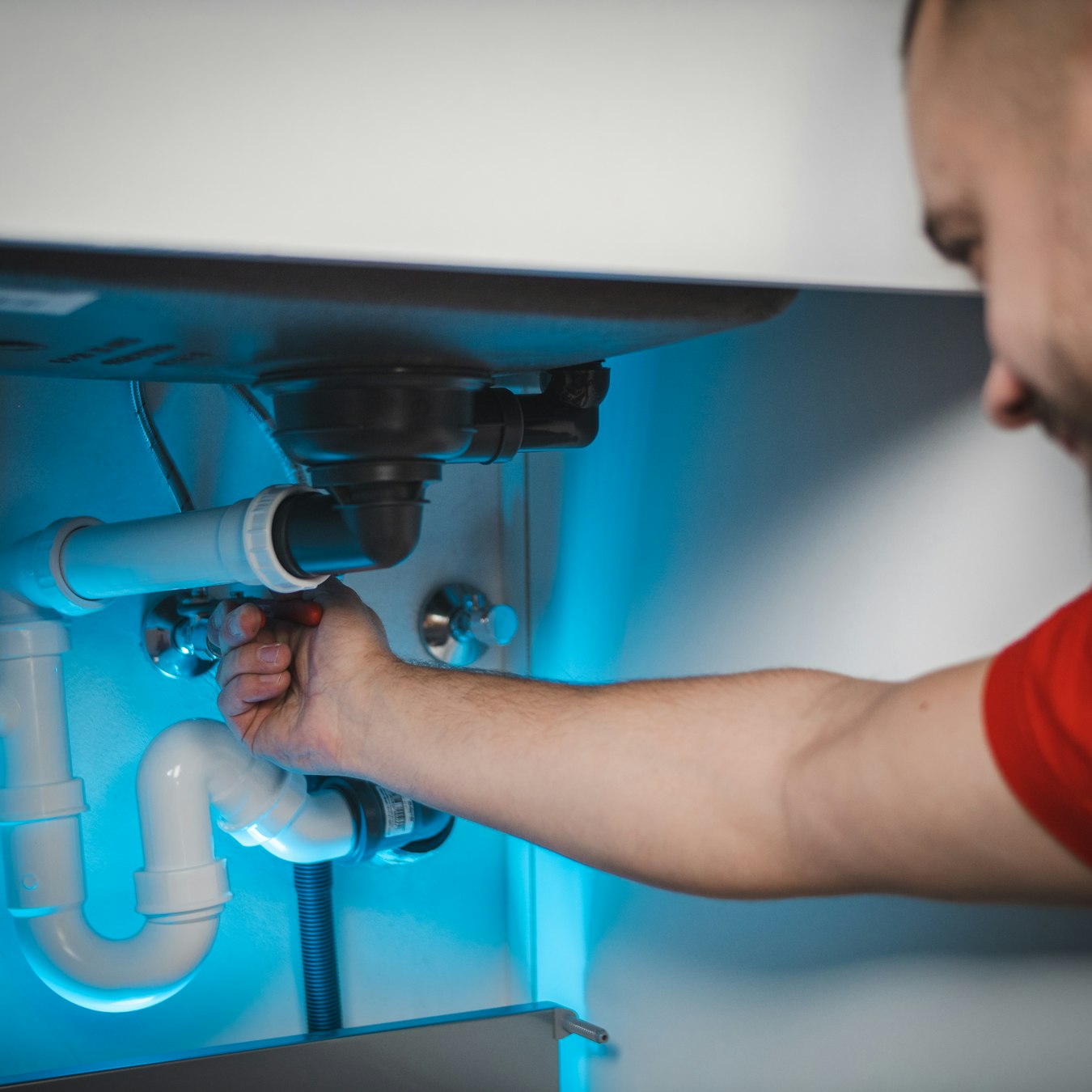
For drain work in Caledonia, note which fixtures are slow, whether more than one drain is affected, and when the symptoms occur. If a backup follows heavy rain or affects several fixtures, tell the plumbing professional and photograph any visible cleanouts or floor drains. A cable may reopen a blockage, while hydro-jetting can clean pipe walls where conditions permit. A camera inspection can show whether roots, a shifted joint, or another defect remains, helping distinguish a cleaning from a repair project.
Explore this serviceSend the location, symptoms, equipment and access details. State whether the work is a repair, replacement or planned project.
The request is reviewed so the responding provider can clarify the work, property access and service coverage.
Agree the provider identity, qualifications, written scope, pricing and visit window directly. Sending a form does not confirm an appointment.
Before adding a basement bathroom or laundry, identify fixture locations, existing drains, and the floor level, and ask how drainage will reach the system. Gravity drainage may be possible, while another layout may require pumping equipment. That choice affects the rough-in, space, and project scope, so clarify it before finishes or flooring are planned.
If a well test shows iron or a sulphur-related issue, ask which treatment stages are proposed and why that order suits the results. Photograph staining and note any odour, but do not use appearance alone to select equipment. Test findings and plumbing constraints guide whether oxidation, filtration, or another combination belongs in the project.
If the home uses a well, note whether pressure fluctuates and photograph the pressure tank, gauge, and switch. Ask whether those components should be assessed as part of heater planning. Pressure-system concerns can affect the scope of the visit, but should be diagnosed separately rather than assumed to be a heater fault.
Note how often the pump runs, how long it runs, and whether the basin appears to fill rapidly. Photograph the pump label and basin dimensions if accessible. Ask how observed inflow informs pump capacity and basin planning; sizing from the actual site conditions helps compare equipment without assuming every basement needs the same arrangement.
If the property uses a well, note when the pump starts and stops and whether taps, toilets, or appliances are drawing water. Ask how the pressure system, line, and relevant valves will be tested. A pump that cycles without an obvious draw needs diagnosis; documenting the pattern helps distinguish a leak from another pressure-system issue.
Use the form to describe the property, the symptoms and the work requested. For Hagersville, Dunnville, Cayuga, Fisherville, include your postal code so local coverage can be checked.
Use the listed places to find service information or start an inquiry. Include your property address or postal code so the provider can confirm coverage and scheduling.